
Find The Revenue Hiding In Your Email List
Key Takeaways
- Your email list is a business asset, not just a contact database.
- Segmentation creates more relevant messaging and better results.
- Personalization increases engagement and conversion rates.
- Automation delivers emails at the most impactful times.
- Consistency and ongoing optimization drive long-term revenue.
Many small businesses focus primarily on generating new leads rather than nurturing the loyal client base they already have to drive sustainable recurring transactions. Your email list is a fantastic way to nurture existing relationships without adding on hours of work or high costs.
When you set up your email list correctly from day one, it will create lasting revenue for your business and be more than just a database of names and email addresses.
A strong email list should:
- Be a tangible asset
- Strengthen relationships
- Support your business
Maximizing Your Email List’s Potential
Your email list is a direct reflection of the current reality of your clientele. At CCC, this falls into “WHATSO”; the subscribers on your list are exactly who are doing business with you. It's important to regularly audit your subscriber demographics and personas to ensure your assumed target market matches up to who is truly interacting with your brand. Once you have a solid understanding of who you are reaching with your emails, you can go a step further with segmentation, personalization, automation, and volume. When implemented, these 4 pillars will form the foundation of your email marketing strategy for revenue generation.
Segment Your Email List For Stronger Messaging
Segmentation, coupled with personalization (see more on this below), is going to make the biggest difference in your email marketing strategy. When you take the time to create custom segments, it allows you to send out super specific, tailored messaging that makes your subscribers feel like you understand their wants and needs.
Dos & Don’ts of Segmentation
DO
- Create multiple specific segments
- Send content directly related to the segment
- Add people to multiple segments (if applicable)
- Use an unengaged segment to re-engage or clean your list
DON'T
- Over-segment - be specific but not too niche to manage
- Send generic content
- Send all emails to all segments
- Skip out on regular list cleansing
Real World Segmentation Examples
Personalize Your Content to Increase Conversions
Once you have your segments locked down, it's time to remind your reader how much they mean to you by using personalization. The difference between a personalized email and a generic one is astonishing. Reports have found up to a 139% increase in click rate when using personalization compared to a generic email.
You might be saying
“that’s a great statistic, but how does personalization work?” and to that I have 2 words:
merge tags.
A merge tag works as a placeholder in your email editor that is dynamically filled in by your email marketing platform when you hit send. Think of it as a fancy fill-in-the-blank. Each platform has its own variation of how the merge tag looks, but they usually look something like this: --FNAME–. That’s the
Robly merge tag; other platforms may use brackets or other indicators.
With merge tags, you can go super deep with personalization without spending hours drafting up one-to-one emails. Each data point you collect about your email subscribers gives you an additional avenue for personalization.
Fun Personalization Ideas For Your Next Email
- Have a dedicated account manager? Dynamically insert their photo/bio
- Bought a new home? Add the listing photo
- Renewal coming up? Include the specific date
- Know their favourite colour? Slip in some images in that hue
Important reminder: Good personalization relies on your account setup. Make sure you collect pertinent fields on sign-up and
always set up default fields before using personalization!
Automate Your Campaigns to Reach Subscribers at Key Moments
With segmentation and personalization, you are building the content strategy that unlocks your email list revenue; when you layer in automation and volume strategy, you are locking down your timing.
Automation has taken on a broad definition as of late; for this context, I am referring specifically to campaigns, often referred to as autoresponders or drip campaigns. When you run an automated campaign, the idea is to create a trigger rule that, when met, will send a pre-created email or start an email series.
Think of your automated campaigns as supplemental to your regular newsletter-type content. It should run in the background and arrive when your email list is most likely to engage. Triggers are generally behaviour- or date-based.
Example: When someone registers for my event, they get added to email list A, which triggers my pre-event drip campaign.
Common Types of Automated Campaigns
- Welcome email(s)
- Post/Pre-event
- Milestones, anniversaries, or birthdays
- Re-engagement campaigns, “we miss you, here’s 10% off your next order”
- Post-purchase
1 Perfectly Timed Email is Better Than 100 Poorly Timed Emails
Picture this: you’ve built out your email segments, created your personalized content and set up automations. You think everything is perfect, but once the campaigns start sending, you aren’t getting the opens you expected.
A lot of businesses believe that the answer is sending more emails to get the email list more used to seeing your brand in their inbox. That couldn’t be farther from the truth! If you don’t time your sends, you can send 100s of expertly crafted emails and get dismal results. Your goal should be to have your email land in your subscribers' inbox at the exact moment that they are ready to receive it.
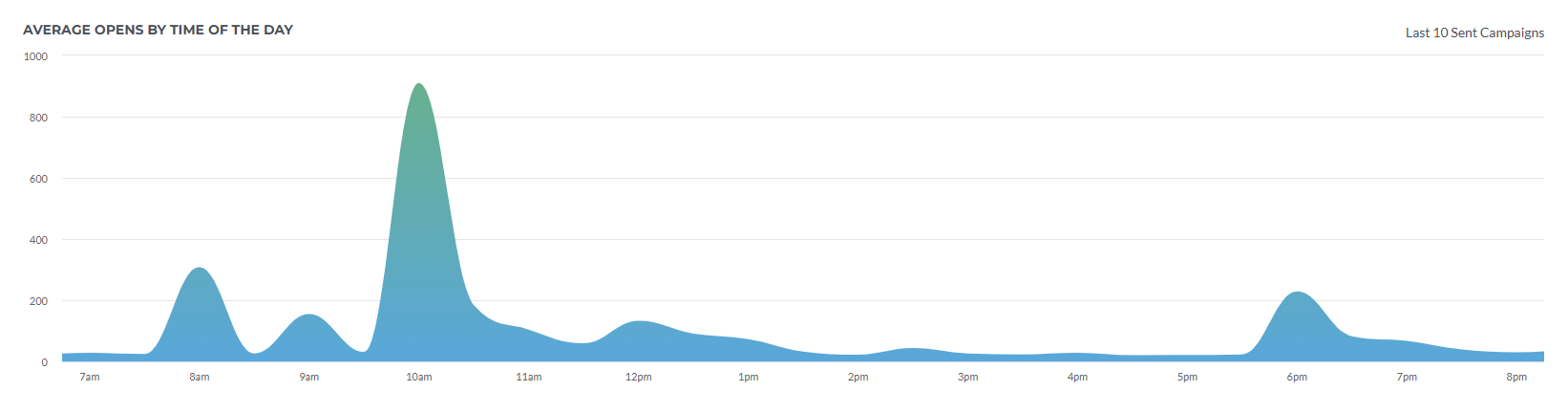
When to send your emails will be extremely subjective and dependent on your email list. There are a few things you can do to hone in on the best time for your subscribers.
- Check your analytics
- Most email marketing platforms offer insights into the best send time (and day).
- A/B Test
- Send identical campaigns at different times to select segments of your audience and track performance.
- Take advantage of AI
- Some platforms, like Robly, offer dynamic sending where you set the send window (up to 24 hours) and the AI takes care of ensuring your email arrives at the perfect time for each subscriber
Build an Email Marketing System That Works For Your Business
Now that you have your 4 foundational pillars mastered, you are ready to start generating revenue from your email list. Before you really hit the ground running, it is absolutely crucial that you have an email marketing strategy that is easy for you to follow and truly aligned with your brand. No skipped months and no changing without checking the data first.
The #1 reason we see causing email marketing to fail is a poorly executed, inconsistent strategy. The people on your email list gave you their contact information for a reason; they expect to hear from you, but they can just as easily revoke that permission if you aren’t living up to expectations.
Other Common Mistakes
- Not having clear CTAs.
- Not segmenting
- Not personalizing
- Not bringing value to your subscribers
- Not tracking & reviewing data
- Not building an email list early enough
The good news is that you don’t need to go at it alone. There is an
abundance of resources available to help you build your strategy, and we have email marketing experts ready to assist you in any way imaginable.
Ready to Turn Your Email List Into a Revenue Generator?
Your subscribers have already said "yes" to hearing from your business. Now it's time to give them a reason to keep engaging.
Book a free email marketing strategy call today, and let's unlock the full potential of your email list.
More Integrated Marketing Insights from CCC