AI Search Is Changing SEO, But It Is Not Replacing It
AI Search is moving fast, and I think a lot of businesses are being pushed into one of two extreme reactions. Some are acting like traditional SEO is dead. Others are pretending nothing has changed. I do not think either response is useful.
The truth is somewhere in the middle. Google is still the dominant discovery channel for most businesses, but the way visibility is earned, measured, and protected is changing. AI Overviews, AI Mode, ChatGPT, Perplexity, and other answer engines are forcing marketers to think beyond rankings and clicks alone.
That does not mean SEO is over. It means SEO needs better measurement, stronger content, clearer authority signals, and a better understanding of how brands show up as search engines start to answer rather than simply link.
Google Is Being Forced to Show More AI Search Data
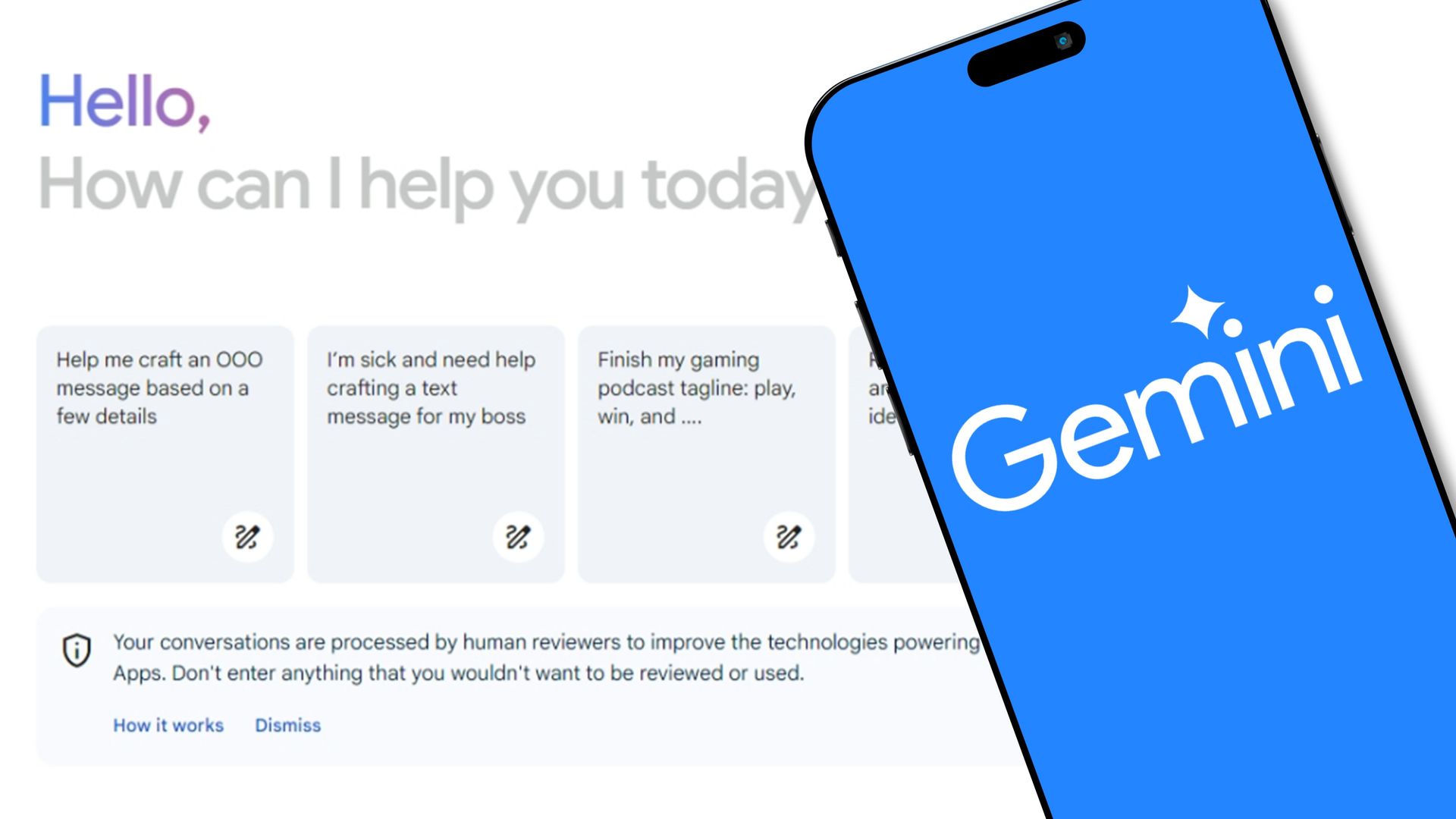
One of the most interesting updates right now is happening in the UK, where Google is being required to provide publishers with more transparency around how their content appears in AI-powered search features. This includes reporting for impressions, clicks, click-through rate, and referral labelling for publisher content used in generative AI search experiences. In my opinion, this is a major step forward, but it is not the complete solution many SEOs and publishers actually want.
The reporting still does not appear to give the full picture. It does not necessarily break down every AI feature separately, show detailed query-level context, or explain how much value a publisher receives when its content is used to support an AI-generated answer. That matters because a citation or impression in AI Search is not the same thing as a website visit, lead, phone call, or sale.
For businesses, this means we cannot wait for Google to hand us perfect reporting. We need to build our own visibility framework around AI Search now. That includes tracking traditional SEO metrics, as well as paying closer attention to brand mentions, AI citations, search visibility, referral quality, conversions, and whether the business is represented accurately across search and answer platforms.
A German Court Ruling Shows AI Answers Are Not “Just Summaries”
A German court ruling against Google may prove to be one of the more important AI Search developments so far. The court reportedly ruled that Google can be held liable for false claims in AI Overviews because those summaries can be treated as Google’s own statements rather than merely neutral third-party search results.
That is a big deal.
For years, search engines have largely operated as systems that organize and display information from other websites. AI Overviews are different. They synthesize, rewrite, summarize, and present information in a way that can feel authoritative to the user. This creates a new level of responsibility.
From a business perspective, this is also why brand accuracy matters more than ever. If AI systems summarize your company, services, reputation, or industry incorrectly, the damage can occur before anyone ever visits your website.
That is why I believe AI Search optimization is not just about “getting mentioned.” It is about ensuring the web has enough accurate, consistent, trustworthy information about your brand so AI systems have a better chance of understanding you correctly.
“Google Zero” Is Overstated
I understand why publishers and businesses are worried about zero-click search. AI Overviews can answer questions directly, reducing the need for users to click through to a website. But I do not buy the idea that Google traffic is suddenly disappearing for every business.
For many clients, Google is still the most important organic discovery channel. It is still where users compare services, validate brands, read reviews, consult maps, visit websites, and decide whom to contact. The bigger issue is that the value of SEO is becoming less linear.
A user might see your brand in an AI Overview, search your business name later, read your Google Business Profile, compare reviews, visit your website, and then convert through a form or phone call. If you only look at one click or one ranking, you miss the full journey.
That is why I think “Google Zero” can become a dangerous mindset. If businesses assume SEO no longer matters, they may stop investing in the exact content, authority, local visibility, and brand trust signals that AI systems are now learning from.
AI Mode Is Not the Default, And That Matters
Google has also confirmed that it does not currently plan to make AI Mode the default search experience in Chrome, after some confusion around a Chrome Canary test. That matters because it tells us something important: Google is still balancing user behaviour, search habits, cost, advertising, and AI adoption.
AI-generated answers are not free for Google to produce. They require more computing power than traditional search results, and Google still has an enormous business built around the existing search experience.
My opinion is that Google will keep adding AI into search, but not in a way that instantly replaces the entire SERP. We are more likely to see a blended search environment where traditional organic results, local results, ads, AI answers, brand entities, forums, videos, and citations all compete for attention. That makes SEO more complex, not irrelevant.
Bot Traffic Is Now Part of the SEO Conversation
Another under-discussed issue is AI-driven bot traffic. Kinsta recently reported that AI bot traffic has surged significantly, with one estimate putting AI bots at roughly 1 in 200 web visits at the start of 2025, rising to 1 in 31 by the end of the year. This is not just a hosting or security issue. It is becoming an SEO and analytics issue.
Bots can distort traffic numbers, consume server resources, hit dynamic URLs, and create patterns that do not look like traditional search engine crawling. At the same time, blocking every bot is not always the right answer, because some AI crawlers may influence how your content is discovered or represented in AI systems.
The better approach is not “block everything” or “allow everything.” It is to understand which bots are useful, which ones are wasteful, and which ones are creating technical problems. For businesses, this means technical SEO, server performance, crawl control, and analytics hygiene are becoming more important, not less.
The New SEO Metrics Need to Connect Visibility to Business Impact
Rankings still matter. Traffic still matters. Leads still matter. But AI Search means we need to expand how we report success.
The metrics I would be watching more closely include:
Brand mentions in AI answers
Citations in AI Overviews and answer engines
Visibility across Google, ChatGPT, Perplexity, and other discovery platforms
Sentiment and accuracy of AI-generated brand descriptions
Share of voice compared to competitors
Referral quality from organic and AI-assisted search journeys
Lead quality, not just traffic volume
The key is connecting those metrics back to business impact. A ranking only matters if it can influence traffic. Traffic only matters if it can influence leads. Leads only matter if they can influence revenue. AI visibility follows the same logic. Being mentioned by AI is not automatically valuable. Being accurately mentioned in the right context, for the right audience, with enough trust to influence a buying decision, is what matters.
What Businesses Should Do Now
My recommendation is not to panic or abandon SEO. Instead, businesses should strengthen the foundations that already make them more visible and trustworthy online. That means creating content that answers real customer questions, improving service and location pages, building stronger internal linking, earning third-party mentions, keeping Google Business Profiles active, collecting reviews, using structured data where it makes sense, and making sure the brand is consistent across the web.
It also means looking at SEO and digital PR together. In an AI-driven search environment, brand mentions are becoming increasingly important because answer engines need external signals to assess credibility. The businesses that win will not be the ones chasing every AI trend. They will be the ones building a stronger digital footprint across search, local, content, reviews, PR, and technical performance.
Not The End
AI Search is not the end of SEO. It is the next pressure test. Weak content will become easier to ignore. Thin authority will become easier to expose. Inconsistent brand information will become a bigger liability. Reporting will become more complicated.
But the core goal has not changed. You still need to be findable. You still need to be trusted. You still need to help the user make a decision. The difference is that you are now optimizing not only for search engines but also for people. You are also optimizing for systems that summarize, compare, cite, and recommend brands before a user ever clicks.
That is why SEO is not going away. It is becoming more connected to brand, reputation, content quality, analytics, and business growth than ever before.
If you feel out of the loop or your SEO needs some love, feel free to
reach out and let's have a chat!
More Integrated Marketing Insights from CCC