

Why SEO Isn’t Working for Your Business and How to Fix It
Search Engine Optimization (“SEO”) can be one of the strongest long-term marketing channels for your business, but it does require specific nuancing to be a powerful source. A website does not rank just because it exists, and a few blog posts here and there are not enough to create consistent traffic, leads, or sales.
When SEO is not working, the problem is usually not that the “SEO” is broken. The problem is often that the strategy is incomplete, inconsistent, too shallow, or focused on the wrong priorities. For SEO to work, your website needs the right foundation. That means clear service pages, useful content, technical health, keyword alignment, authority, trust signals, and a strong conversion path. If one or more of these pieces is missing, your rankings and traffic can stall.
In this guide, I break down the most common reasons your SEO may not be working and how to fix it.
Your Website Does Not Have a Clear SEO Strategy
Your SEO can struggle if your website is not built around a clear strategy. It is easy to publish pages or blog posts without knowing exactly what your customers are searching for, which keywords matter most, or how each page supports your business goals. That can leave you with a website that has content, but no clear structure. This is particularly true right now in the age of AI.
A strong SEO strategy connects your services, locations, keywords, search intent, and customer journey. For example, if you offer local services, your website needs more than a homepage and a generic master services/offerings page. You need dedicated service pages, location pages, FAQ content, Google Business Profile optimization, and supporting blog posts that answer real customer questions. Without that structure, Google cannot clearly understand what you offer, where you serve customers, or for which searches your pages should appear.
To fix this, start by identifying your most important services and the keywords connected to them. Then review whether your website has a strong page for each major service or location. If those pages are missing, weak, or buried in the site, they should become a priority. Your SEO works better when every page has a clear purpose and search intent.
Your Content Is Too Thin or Too Generic
Your SEO content will struggle if it does not answer the searcher’s question better than the pages already ranking for it. Thin content can mean your page is too short, too vague, too repetitive, or too similar to what your competitors are saying. Your page may include the right keyword, but that does not mean it gives Google or the reader enough value.
Generic content is another common issue. If your service page only says you provide “quality service at affordable prices,” it does not explain why someone should choose you. It also does not show your process, answer important customer questions, demonstrate expertise, or help the reader decide.
To fix this, ensure each important page is more useful and specific. Your service pages should clearly explain what the service includes, who it is for, what problems it solves, how your process works, and what the next step is.
Add helpful details such as clear answers near the top of the page, service information, local context, FAQs, examples, internal links, reviews, case studies, and strong calls to action. You should not just be adding content for the sake of adding content. The main reason is to make each page more helpful, more specific, and more complete than what is already ranking.
Your Website Has Technical SEO Issues
Your pages may struggle to rank if Google cannot properly crawl, index, or understand your website. Even strong content can underperform when technical SEO issues are in the way. These issues can include slow page speed, broken links, poor mobile usability, missing title tags, duplicate pages, weak heading structure, missing schema markup, or your money pages that are not being indexed.
Your website can look amazing on the surface. It may load, look professional, and work for visitors. But Google may still have trouble understanding the structure of your site or deciding which pages deserve to appear in search results.
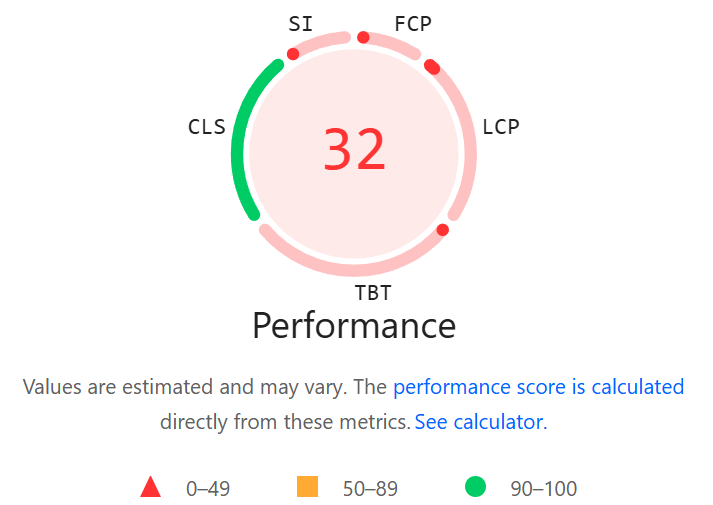
To fix this, review your website using tools such as Google Search Console, Google Analytics, and an SEO audit platform such as Ahrefs or Screaming Frog. Look for indexing problems, crawl errors, broken links, missing metadata, duplicate content, slow pages, and weak internal linking. Fixing these issues usually requires the help of a technical SEO expert because they sometimes are not as straightforward as they seem, but for the brave who want to learn, there are plenty of resources available to help!
One thing to note, technical SEO does not always generate immediate traffic, but it removes barriers that can prevent your content from performing well. It helps Google access, understand, and evaluate your website more effectively.
You Are Not Building Enough Authority
Your SEO may not be working because your competitors have stronger authority online. Google does not only look at your website. It also looks at signals from across the web. These can include backlinks, local citations, reviews, brand mentions, directory listings, Google Business Profile activity, and overall trust.
If your competitors have more reputable backlinks, stronger reviews, better local listings, and more consistent online signals, they may outrank you even if your website content is good. Authority matters because Google needs signals that show your business is established, trusted, and relevant. This is especially important when you are competing against other businesses offering similar services in the same area.
To fix this, strengthen your online presence beyond your website. Focus on quality backlinks, Google Business Profile optimization, local citations, customer reviews, directory listings, and consistent business information across the web. Authority takes time to build and is one of the hardest “needles” to improve, but it can make a major difference in how well your SEO performs.
You Are Expecting Results Too Quickly
“I am not getting any leads” is one of the most common concerns we SEOs here. Your SEO may not be failing. It may just need more time and consistency.
SEO is not usually immediate. Google needs time to crawl your pages, compare them to competing pages, evaluate trust signals, and decide where your website belongs in search results. New pages can take weeks or months to gain traction, especially in competitive markets. That does not mean you should wait forever without reviewing performance. It means you need to track the right signs of momentum.
Before you see a major increase in leads, you may see improvements in impressions, keyword rankings, indexed pages, organic traffic, click-through rates, backlinks, or referring domains. These are signs that your SEO foundation is getting stronger. If you stop too early, you may interrupt the momentum that is building. A better approach is to review performance over a longer period, look at the direction of the data, and keep improving the strategy based on what is working. SEO is a long-term channel. It rewards consistency, patience, and ongoing improvement.
A Typical SEO Timeline
| Business Type | Early Movement | Lead Flow | Competitive Dominance |
|---|---|---|---|
| Local | 2 - 4 Months | 4 - 8 Months | 9 - 12+ Months |
| National | 3 - 6 Monthls | 6 - 12 Months | 12 - 24+ Months |
How to Fix an SEO Strategy That Is Not Working
The best way to fix your SEO is to stop guessing and review the full system. Start by looking at your website structure, content quality, keyword targeting, technical health, competitor performance, backlinks, local visibility, and conversion path. SEO rarely struggles because of one small issue. It is usually a combination of problems that weaken the overall strategy.
Begin with your highest-value pages. These are usually your main service pages, location pages, and pages tied directly to leads or sales. Make sure they are clear, useful, optimized, and easy to navigate. Then review your technical foundation. Check whether Google can crawl and index your pages properly. Fix broken links, missing metadata, duplicate content, slow pages, and poor internal linking. Next, strengthen your content. Add better answers, more specific service information, FAQs, local relevance, examples, and internal links. Avoid publishing content just to publish content. Every page should support a real search intent or business goal.
Finally, build authority over time through reviews, citations, backlinks, partnerships, and consistent online activity. SEO works best when your website and off-site presence support each other.
SEO Works When the Foundation Is Strong
SEO usually does not fail because the channel is broken. It fails when your strategy is unclear, your content is weak, your website has technical issues, your authority is too low, or the work stops too soon.
A strong SEO strategy gives your website a better chance to rank, attract qualified visitors, and turn that traffic into real business results. It is not about chasing quick wins or publishing random content. It is about building a reliable foundation that improves over time.
If your SEO is not producing the results you expected, the next step is to find out why. A proper SEO audit can show what is working, what is holding your website back, and what needs to be fixed first.
More Integrated Marketing Insights from CCC