Technical SEO vs On-Page SEO vs Off-Page SEO: What Drives Results?
Search engine optimization (SEO) is often discussed as if it were a single tactic, but when most effective, it is actually built on three core pillars: technical SEO, on-page SEO, and off-page SEO. Each one plays a different role in how search engines discover your website, understand your content, and determine whether your business is trustworthy enough to rank.
Many businesses struggle with SEO because they focus heavily on one area while ignoring the others. Some publish large volumes of content without addressing technical issues. Others chase backlinks without improving the quality of the pages those links point to. When these elements are not aligned, results tend to stall.
Understanding the differences between technical, on-page, and off-page SEO helps clarify where improvements should be made and how a complete strategy produces stronger, more sustainable rankings. In this article, we break down how each pillar works and why the most successful websites treat them as part of one coordinated system.
The 3 Pillars of SEO That Google Uses to Rank Websites
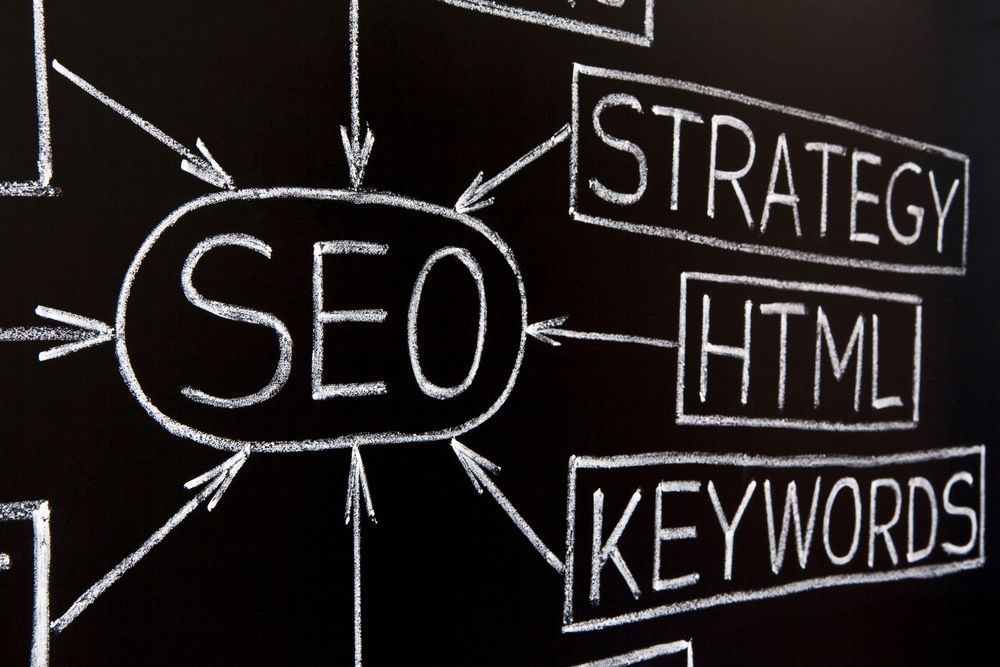
Although search engines use hundreds of signals to rank websites, most of those signals fall into three major categories.
Technical SEO
Focuses on whether search engines can properly crawl, interpret, and index your website.
On-page SEO
Focuses on the quality, relevance, and structure of the content that appears on each page.
Off-page SEO
Focuses on authority signals that come from outside your website, such as backlinks and brand mentions.
When these three pillars work together, search engines gain both the clarity and confidence needed to rank a website. Strong results typically appear when all three support one another rather than being treated as isolated tactics.
What Is Technical SEO?
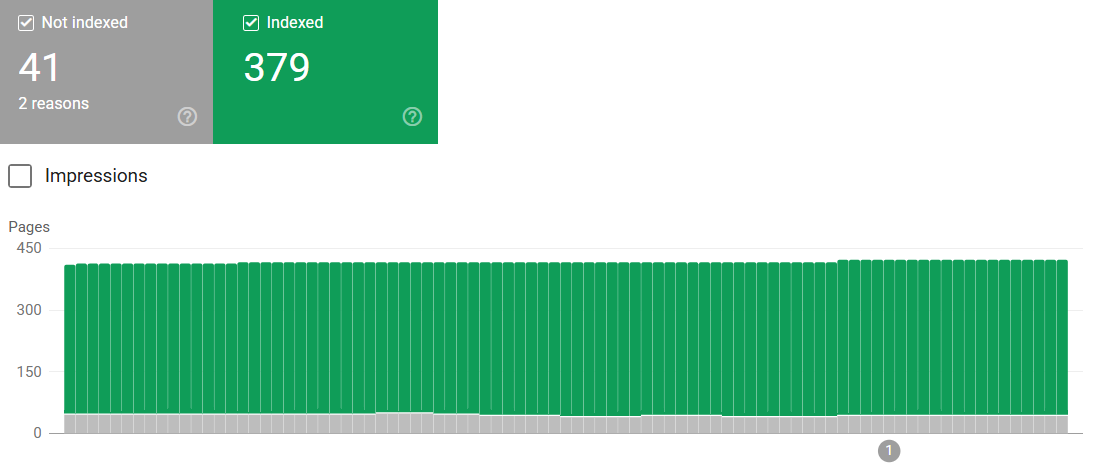
Technical SEO focuses on the infrastructure of a website and how easily search engines can crawl and interpret its pages. If a website has significant technical problems, search engines may struggle to properly index content or evaluate its relevance.
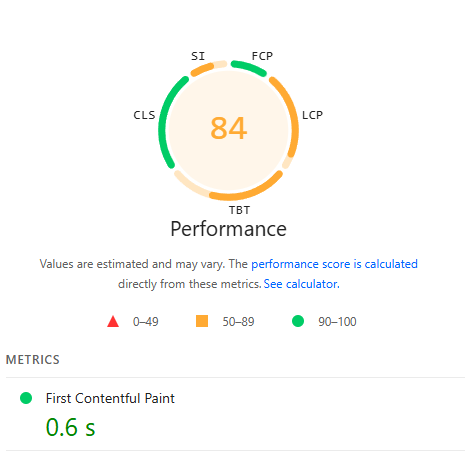
Common technical improvements include site speed optimization, mobile responsiveness, structured data implementation, proper indexing controls, and resolving crawl errors or broken links. Elements like XML sitemaps, secure HTTPS connections, and optimized site architecture also play an important role in how search engines navigate a website.
Think of technical SEO as the foundation of a house. Without a stable structure, even the best content and strongest backlink profile will struggle to perform as well as they should.
What Is On-Page SEO?
On-page SEO focuses on optimizing the content and structure of individual pages so search engines clearly understand what the page is about and when it should appear in search results.
This includes aligning content with search intent, organizing information using clear heading structures, and naturally incorporating relevant keywords that reflect how people search online. Title tags, meta descriptions, internal links, and optimized images also contribute to how search engines interpret page relevance.
Well-optimized pages help search engines confidently match a website with the queries users are searching for. When content answers questions clearly and provides useful information, it not only improves rankings but also creates a better experience for visitors.
What Is Off-Page SEO?
Off-page SEO refers to signals that occur outside your website but still influence how search engines evaluate its authority and credibility.
The most recognized off-page factor is backlinks, which are links from other websites pointing to your pages. These links act as signals of trust, suggesting that other sources consider your content valuable or credible. However, off-page SEO also includes brand mentions, online reviews, local citations, and broader reputation signals across the web.

When a website earns strong authority signals from reputable sources, search engines gain confidence that the business is legitimate and deserving of higher visibility in search results.
Technical SEO vs On-Page SEO vs Off-Page SEO: Quick Comparison
While these three areas work together, each serves a distinct purpose within an SEO strategy.
| SEO Type | Primary Focus | Core Goal |
|---|---|---|
| Technical | Website infrastructure and performance | Ensure search engines can crawl, index, and interpret the website efficiently |
| On-Page | Page content and structure | Help search engines understand page relevance and match content with search intent |
| Off-Page | External authority signals | Build trust and credibility through backlinks, mentions, and reputation signals |
Which SEO Type Should Businesses Focus on First?
When building or improving an SEO strategy, the order in which improvements are made can significantly influence results. In most situations, technical SEO should be addressed first. Ensuring that search engines can properly crawl and index the website creates a stable foundation for everything that follows.
Once the technical framework is sound, on-page SEO becomes the next priority. Optimizing page structure, content clarity, and keyword alignment allows search engines to understand the topics your website covers. After those elements are established, off-page SEO efforts such as backlink acquisition and brand building can strengthen authority and amplify ranking potential.
Approaching in this sequence allows each layer to reinforce the next, producing stronger long-term results.
Do You Need All Three Types of SEO to Rank?
In low-competition markets, a website may occasionally rank well with only strong content or a few backlinks. However, in most industries, relying on one aspect alone rarely produces consistent results. Websites that perform well over time typically combine a technically sound website, high-quality optimized content, and credible authority signals from across the web.
Search engines evaluate many factors when determining rankings, but these three pillars represent the core areas that influence those signals. Businesses that invest in a balanced strategy often see more stable rankings, stronger organic traffic, and better long-term visibility.
A Complete SEO Stratgey
Technical SEO, on-page SEO, and off-page SEO each contribute to how search engines evaluate and rank websites. While it is tempting to focus on one tactic at a time, long-term success typically comes from balancing all three pillars. When these elements work together, SEO becomes more than a marketing tactic.
If your website is not generating the organic traffic it should, chat with us about a structured SEO strategy that addresses technical performance, content optimization, and authority building.
More Integrated Marketing Insights from CCC