
Organic Traffic Is Falling. That Does Not Mean Your Content Has Lost Its Value
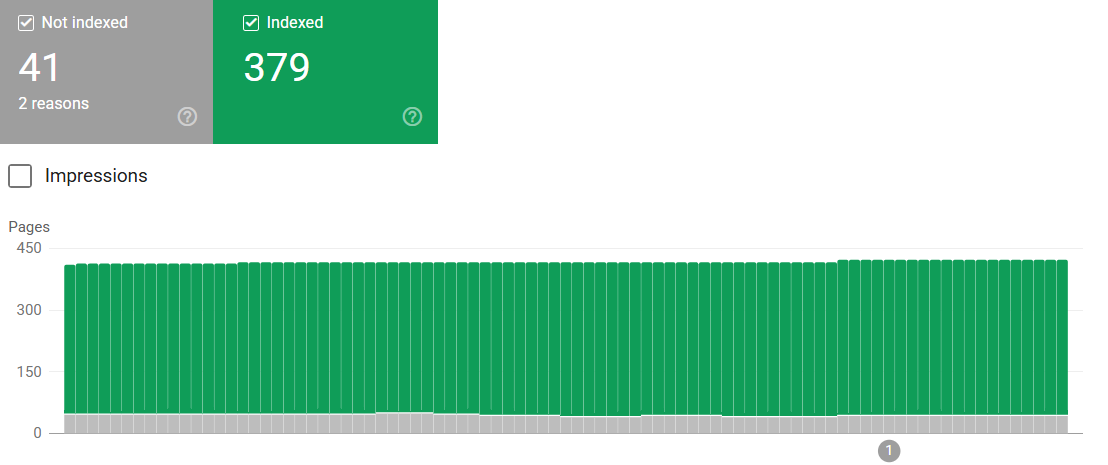
AI Overviews are changing what an organic search visit looks like. For a long time, one of the clearest ways to show SEO's value was traffic growth. More rankings led to more clicks. More clicks meant more opportunities to generate leads or sales. It was simple, visible and easy to report. That relationship is becoming less direct.
Google can now answer many informational questions without requiring a website visit. A person can compare basic options, learn a definition or get a quick explanation directly from an AI Overview.
As a result, many websites are losing organic clicks. The immediate reaction is often that SEO is providing less value, the blog is no longer working, or the content budget should be reduced. I think we often reach that conclusion far too quickly.
Before cutting content because traffic is down, we need to look further down the funnel. Are leads down? Are sales down? Has qualified organic traffic declined? Are fewer customers discovering products and services? Has organic-assisted revenue actually fallen?
If the answer is no, the traffic decline may be telling a very different story.
Not Every Organic Visit Had the Same Value
SEO reporting has always had a weakness: a session is a session. Analytics may show two visits as equal even when the intent behind them is completely different. Someone searching for a basic definition is counted the same way as someone comparing providers before requesting a quote. They are not equally valuable to the business.
AI Overviews appear much more often for informational searches than for commercial and transactional searches. That means many of the first clicks to disappear are tied to broad questions and early-stage research, not searches that were about to produce a sale.
If organic sessions fall by 20%, it does not automatically mean organic search has lost 20% of its business value. Some of the lost visits may have come from people who wanted one quick answer, received it in the search results and were never likely to convert during that session.
The traffic was real. Its commercial value may have been limited. This does not mean informational content is useless. It means traffic alone was never enough to measure its value.
A Decline in Clicks Is a Signal, Not a Verdict
When I review content performance now, I do not want to look at clicks in isolation. I want to know what happened to:
- Organic leads and sales
- Conversion rates by landing page and query intent
- Assisted conversions and revenue
- Branded search demand
- Product and service page discovery
- Backlinks and mentions earned by the content
- Visibility in AI-generated answers and other search features
This wider view helps separate a reporting problem from a genuine business problem. A page may receive fewer visits because Google now summarizes part of its answer. That page may still help search engines and AI platforms understand the company’s expertise. It may earn citations, support topical authority, attract links or introduce a product to someone who returns later through another channel.
Some of that influence is difficult to
attribute perfectly. Difficult measurement, however, is not proof that no value exists. At the same time, we should not use AI search as an excuse to protect every old blog post. Some pages have lost traffic because they are generic, outdated or genuinely unhelpful. The point is that we need to diagnose the cause before deciding what to remove. An unhelpful page and an unclicked page are not necessarily the same thing.
The Wrong Response Is to Cut Content Across the Board
I understand why a traffic decline makes content budgets vulnerable. Businesses need results, and an investment that appears to be producing less deserves scrutiny. But an across-the-board cut can turn a change in search behaviour into an actual revenue problem.
Removing useful informational content can weaken the journey that leads customers toward a purchase. It can reduce the number of questions your website answers, the range of topics associated with your brand and the evidence search engines or AI systems can use when deciding which sources to trust and cite.

It can also create a gap between what customers need to understand and what your site is prepared to explain. Content often does its work before a conversion is visible. It answers an objection, clarifies a difference, builds familiarity or earns the trust that helps someone return later. If we judge every page only by its last-click conversions, much of that contribution disappears from the report. That does not mean content should receive an unlimited budget. It means the decision should be based on business outcomes and strategic contribution, not a single declining metric.
Content Now Has to Do More Than Provide an Answer
The bar for content is higher than it used to be. If a page offers nothing beyond a short, generic answer, an AI-generated summary may remove most of the reason to visit it. Rewriting the same information at greater length will not solve that problem. This is also why AI is not a replacement for quality content. The page needs to offer something that search results can't fully replace. Depending on the business, that could include:
- Firsthand experience and expert interpretation
- Original research, testing or internal data
- Calculators, assessments and interactive tools
- Detailed comparisons that help someone make a decision
- Product or service information only the company can provide
- Real examples, photos, results and customer evidence
- Clear next steps based on different situations
This is where SEO, answer engine optimization and generative engine optimization need to work together. The content should provide a clear, direct answer that search engines and AI systems can understand. It should demonstrate enough experience and credibility to be trusted as a source. It should then give the reader a reason to visit, engage and take the next step. Being answerable and citeable matters. Being genuinely useful after the click matters just as much.
Fewer, Better Pages Is Not the Same as Less Content Strategy
I do believe many websites need fewer, better pages. Publishing generic articles simply to target another keyword has become harder to justify. AI can reproduce commodity information quickly, and search engines have little reason to reward another version of what already exists.
But “fewer, better pages” should lead to greater focus, not abandonment. That requires understanding the difference between SEO strategy and SEO tactics, so every page supports a defined audience, search intent and business goal. It means investing in stronger topics, better evidence, more useful formats and clearer connections to what the business actually sells. It also means updating valuable existing pages instead of automatically deleting them when clicks decline.
Before You Cut Content, Look at What It Actually Contributes
Organic traffic will remain an important metric, but it can no longer carry the entire content argument. When clicks decline, the first question should not be, “Which pages can we cut?” The better questions are:
- Which types of queries lost clicks?
- Did qualified traffic and conversions fall with them?
- Is the page still influencing discovery, trust or assisted revenue?
- Is the content genuinely useful, or is it simply repeating information available everywhere else?
- What could the page help a customer do that an AI summary cannot?
That final question is the one I keep coming back to.
The future of content is not about chasing every possible visit. It is about creating something useful enough to earn visibility, trust and action, even as the way people search continues to change.
More Integrated Marketing Insights from CCC