How Integrated Digital Marketing Turns Traffic Into Leads and Revenue
Getting more traffic can feel like the main goal of digital marketing. If more people visit your website, it seems reasonable to expect more leads and revenue to follow.
In practice, the relationship is not that simple.
I have seen businesses attract more website visitors without seeing the same improvement in calls, form submissions or sales. In many cases, traffic generation is not the only problem. The larger issue is what happens after someone arrives.
Does the page match what the visitor needs? Can they quickly understand the offer? Do they have a reason to trust the business? Is the next step clear? If they are interested but not ready to act, is there another way to continue the relationship?
Integrated digital marketing turns traffic into leads and revenue by connecting the channels that attract an audience with the content, website experience, conversion path, and follow-up that move people toward a decision. SEO, AI visibility, paid advertising, email and conversion optimization become more effective when they support one customer journey instead of operating as separate activities.
Traffic creates an opportunity. An integrated strategy determines how much business value that opportunity can produce.
Why More Website Traffic Does Not Automatically Mean More Revenue
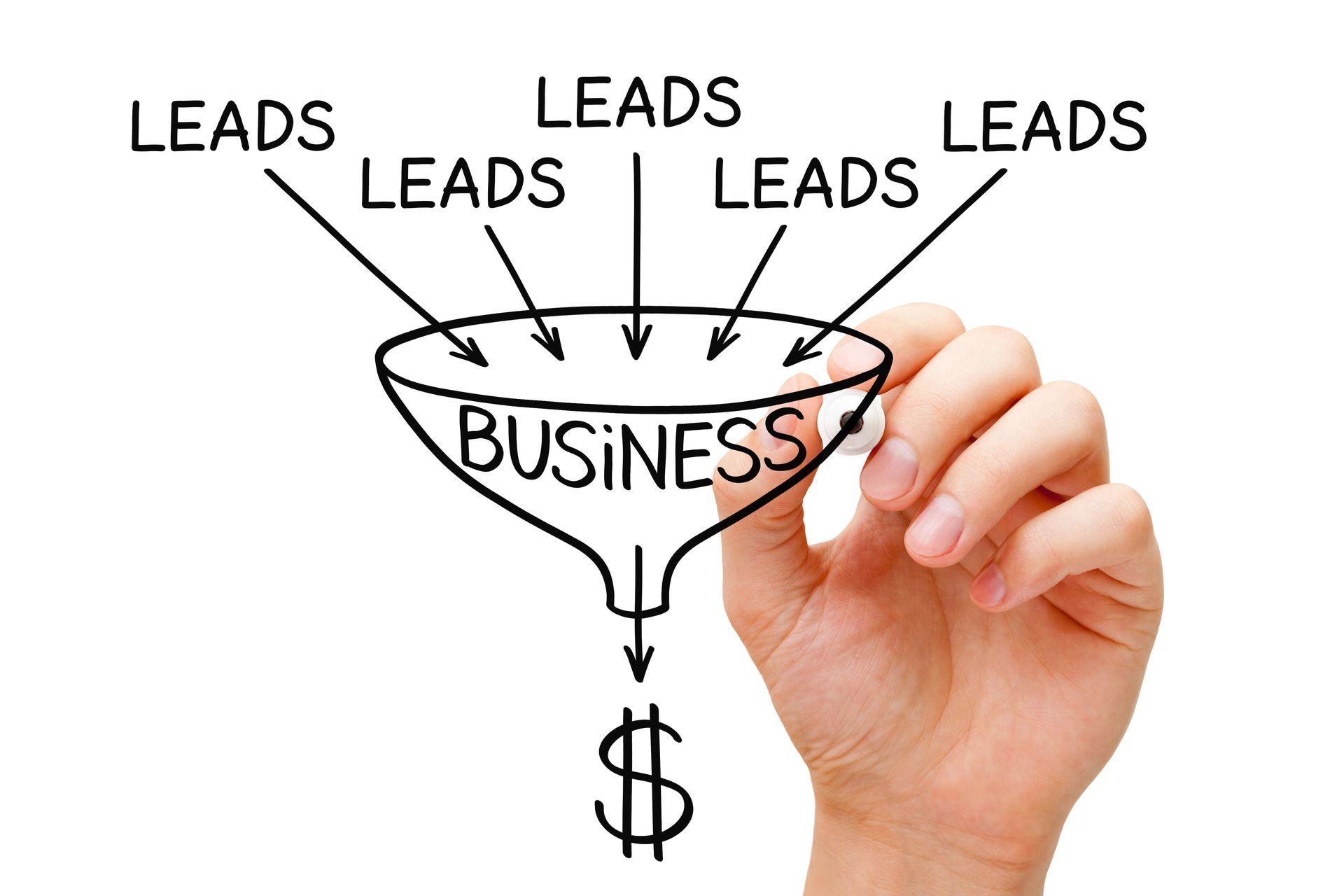
Traffic is useful, but it is not a business outcome on its own.
A website can attract thousands of visitors who never become customers. Another website can receive much less traffic but generate more revenue because its visitors have stronger intent and encounter a clearer path to conversion.
The Traffic May Not Match the Offer
Not every visitor has the same potential value.
Someone looking for a broad definition may be at the beginning of their research. Someone comparing providers, pricing or service options may be much closer to contacting a company. Both visits appear in analytics, but they represent different levels of intent.
High traffic can therefore create a misleading sense of progress when the topics, keywords or audiences attracting those visits have little connection to what the business sells.
A strong strategy starts by identifying the products, services, locations and customer needs that matter commercially. SEO, content and paid campaigns can then focus on attracting people whose intent aligns with those priorities.
The Conversion Path May Be the Real Problem
From my experience, this is one of the most common places where marketing performance breaks down.
A campaign can do its job and bring the right person to the website, but the page may not give that person enough confidence or direction to continue. Common problems include:
- Generic messaging that does not clearly explain the offer
- A mismatch between the search, advertisement and landing page
- Important service details that are difficult to find
- Weak or missing calls to action
- Long or confusing forms
- Poor mobile usability
- Missing reviews, case studies or other trust signals
- No clear reason to choose the company over another option
When this happens, increasing the traffic budget may only send more people into the same broken experience.
Before deciding that SEO or advertising is not working, I want to know whether the landing page gives qualified visitors what they need to take the next step. Sometimes the greatest opportunity is not attracting another thousand visits. It is converting more of the relevant visits the business already receives.
The Follow-Up May Stop Too Soon
Many prospects will not convert during their first visit, even when the marketing and website are doing their jobs.
They may be comparing options, waiting for internal approval, researching costs or simply not ready to make a decision that day. If the business has no way to reconnect, that initial attention can disappear.
Email marketing, remarketing, live chat, and sales follow-up can keep the conversation going. These channels help a business remain visible, answer additional questions and give interested prospects another opportunity to act.
The eventual conversion may be attributed to an email, a branded Google search or a direct website visit. That doesn't mean the earlier blog post, organic result, or advertisement played no role. It means the customer journey involved more than one interaction.
What Is Integrated Digital Marketing?
Integrated digital marketing connects multiple marketing channels around the same audience, message, customer journey, and business goals. Each channel has a distinct role, but the strategy measures how the complete system contributes to leads, sales and revenue.
Using several channels does not automatically make a strategy integrated.
A company may run Google Ads, publish blog posts, send emails, and post on social media, but each activity targets a different audience or communicates a different message. That is multichannel activity, but it is not necessarily an integrated system.
Integration happens when the channels reinforce one another. Paid campaign data can reveal high-converting search terms that inform SEO priorities. Helpful content can answer the questions prospects ask before reaching a service page. Email can nurture visitors who are interested but not ready to contact the business. Reporting can show how these interactions contribute to the same commercial goals.
That shared direction is what turns separate tactics into a digital marketing strategy.
How the Traffic-to-Revenue System Works
I find it helpful to view integrated marketing as a connected system with four stages: visibility, trust, conversion, and follow-up.
1. Create Qualified Visibility
The first job is helping the right audience find the business. At CCC, our SAGE approach considers three forms of search visibility:
- Discoverable through SEO: The website can appear when customers search for relevant products, services and information.
- Answerable through AEO: Content provides clear, useful answers that can surface in answer-driven search experiences.
- Citable through GEO: The business provides enough clarity, authority and evidence to be referenced in generative AI results.
Paid advertising can support these efforts by creating immediate visibility for priority audiences and high-intent searches. It can also generate useful data on which messages, offers, and keywords drive action.
These channels may introduce the business in different places, but they should be aligned around the same customers and commercial priorities.
2. Build Understanding and Trust
Visibility gets a business considered. It does not automatically make that business the preferred choice.
Prospects need to understand what the company offers, who it helps, how its process works and why its claims should be trusted. Service pages, educational content, reviews, case studies, expert profiles and consistent brand messaging all contribute to that evaluation.
Firsthand insight shows that the company understands the problem beyond a surface-level definition. Named experts tell readers who is responsible for the advice. Original examples and case studies provide evidence that the recommendations have been applied in real situations. Reviews and independent mentions add outside validation. AI can support this process, but it is not a replacement for a quality content strategy.
This kind of content does more than target keywords. It helps customers make more informed decisions and gives search engines and AI systems stronger reasons to understand and trust the brand.
3. Turn Interest Into Action
Once a prospect understands and trusts the offer, the website needs to make the next step clear. Depending on the business, that action could be:
- Calling the company
- Submitting a form
- Booking a consultation
- Requesting a quote
- Making a purchase
- Starting a live chat
- Joining an email list
The page should make the action feel like a natural continuation of the information, not an interruption.
A useful call to action tells the visitor what will happen next. Supporting content should address the questions or concerns that might prevent action. Forms should request only the information the business genuinely needs. On mobile, buttons, forms and contact details should be easy to use.
These details may appear small compared with traffic or rankings, but they are often where marketing value is either captured or lost.
4. Nurture and Re-Engage Prospects
An integrated strategy does not assume every qualified visitor is ready to buy immediately.
Email sequences can provide additional education or relevant offers. Remarketing can bring the company back into consideration. LiveChat can resolve a question that prevents someone from completing a purchase or form. A clear sales process ensures qualified inquiries receive timely, relevant follow-up.
These interactions help close the gap between initial interest and eventual revenue.
How Different Marketing Channels Reinforce One Another
Each digital marketing channel has a specific strength. The larger opportunity comes from combining those strengths around the customer journey.
SEO and Content Capture Existing Demand
SEO helps a business appear when someone is actively searching for a service, product or answer. Core service and product pages capture higher-intent demand, while supporting content addresses the questions customers ask while evaluating their options.
The blog should not operate as a separate publishing exercise. Each article should clearly relate to the company’s expertise, audience, and commercial pages. Content also needs the right technical, on-page and off-page support to perform consistently. That is the difference between producing content and building a
complete SEO system.
AEO and GEO Influence Research Before the Visit
Customers increasingly use Google’s answer features and AI platforms to research problems, compare options and identify potential providers.
Clear answers make content easier to understand and reuse. Firsthand evidence, original insights, consistent entities and credible third-party signals can improve the brand’s chances of being recognized as a useful source.
Some prospects may encounter the company in an AI-generated answer before they ever visit its website. This makes direct traffic only one part of the visibility picture. As I have discussed in my approach to
GEO attribution, influence can still matter when the final conversion is credited elsewhere.
Paid Advertising Creates Immediate, Testable Traffic
Paid advertising can quickly put a business in front of a defined audience. It also creates a controlled environment for testing keywords, offers, messaging and landing pages.
Those insights should not stay inside the advertising account. High-converting language can strengthen service pages. Search-term data can reveal organic content opportunities. Landing-page tests can improve the experience for visitors from every channel.
Email and Remarketing Maintain Visibility
SEO and advertising often create the first interaction. Email and remarketing help prevent that interaction from becoming the last.
These channels are especially valuable when the buying cycle is longer, or the decision requires more consideration. Instead of repeatedly paying to reacquire the same attention, the business can continue providing useful information to people who have already shown interest.
The Website Connects Every Channel to Conversion
An organic result, ad, email or AI mention may initiate the journey, but the website usually needs to explain the offer, establish credibility and provide a way to act. If the website experience is weak, every traffic channel becomes less efficient.
That is why website content, structure and conversion paths cannot be separated from traffic generation. They are part of the same revenue system.
A Real Example of Building an Integrated Marketing Foundation
Aisling Baile is a short-term rental property management company serving property owners across Alberta and British Columbia. Their team manages listing creation, guest communications, cleaning, maintenance, property setup and other responsibilities involved in operating a short-term rental.
When Aisling Baile partnered with CCC, the company needed more than a visually appealing website. It needed a digital foundation that could clearly communicate its services, support ongoing marketing and give prospective property owners a straightforward path to inquire.
Building Marketing Into the Website
CCC developed a mobile-friendly website with search visibility and conversions in mind from the start. The content and page structure were designed to help property owners understand Aisling Baile’s services, learn how its management process works and take the next step when they were ready to discuss their property.
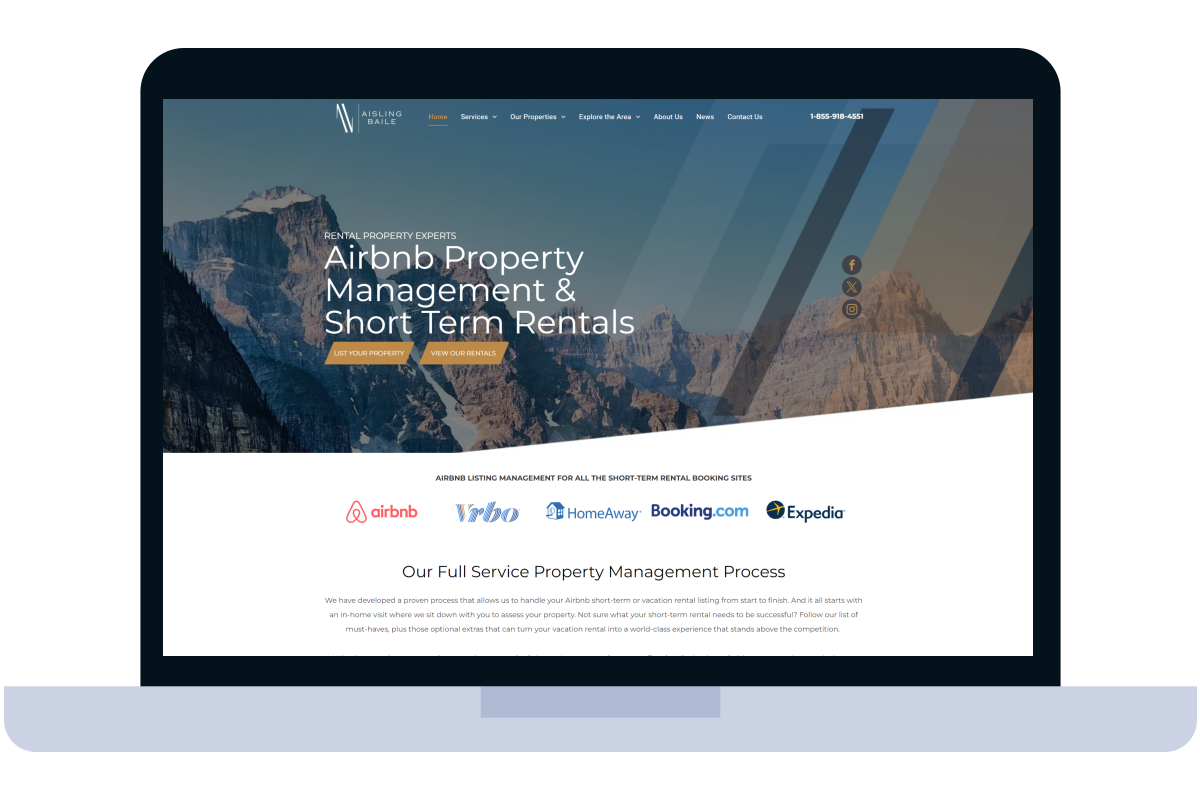
This gave the wider marketing strategy a central destination. Following the website launch, CCC continued supporting Aisling Baile through SEO, Local SEO, paid advertising, and email marketing.
Each channel played a different role:
- SEO helped the website become more visible for relevant short-term rental and property management searches.
- Local SEO helped Aisling Baile reach property owners across its service areas.
- Paid advertising created additional opportunities to reach people actively looking for support.
- Email marketing helped the company remain connected with prospective and existing clients.
- The website brought these interactions together by explaining the offer, building trust and providing a clear path to conversion.
Connecting Visibility With Leads and Conversions
The channels were not valuable simply because they generated activity. Their value came from supporting the same customer journey.
SEO, Local SEO and paid advertising helped prospective clients find Aisling Baile. The website then gave those visitors the information they needed to evaluate the company’s services and decide whether professional management was right for their property.
Email marketing extended that relationship beyond the initial visit. This mattered because hiring a property management company is rarely an immediate decision. An owner may need time to compare options, understand the management model and decide how much support they need.
By connecting these channels, Aisling Baile increased its visibility while also generating more leads and conversions. The website was not treated as a standalone design project, and the marketing channels were not managed as unrelated activities. Each component helped move prospective clients from initial awareness toward making an inquiry.
This example shows what integrated digital marketing is meant to accomplish. Visibility brought more prospective clients into Aisling Baile’s digital ecosystem, while the website and supporting channels helped turn more of that attention into leads and measurable conversions.
How to Measure Whether Integrated Digital Marketing Is Working
Integrated marketing still requires channel-level reporting, but those metrics need to connect to the wider business objective.
Visibility Metrics
Rankings, impressions, clicks, paid reach, AI citations, brand mentions and share of voice show where the business is gaining or losing visibility.
These are valuable indicators, but they do not prove commercial impact on their own.
Engagement and Conversion Metrics
Qualified sessions, landing-page engagement, calls, forms, bookings, purchases, and conversion rates show whether the audience responds once it encounters the business.
Segmenting these results by landing page, source, campaign and intent can reveal where the journey is working and where it is breaking down.
Commercial Metrics
Qualified leads, sales, pipeline, assisted conversions, customer acquisition cost, revenue and return on investment bring the reporting closer to what the business actually needs to know.
Attribution will rarely capture every interaction perfectly. A prospect may discover the brand through organic search, return through an advertisement and convert after receiving an email. The goal is not to force all the credit onto one channel. It is to build a credible view of how the system contributes to revenue.
Signs Your Marketing Channels Are Disconnected
The following patterns can indicate that the problem is not a lack of activity but a lack of integration:
- Website traffic is increasing, but qualified leads are not.
- SEO and paid campaigns focus on different products, services or audiences.
- An advertisement makes a promise the landing page does not support.
- Blog content attracts readers but offers no relevant next step.
- Leads enter the system but receive inconsistent or delayed follow-up.
- Different channels communicate conflicting messages about the company.
- Reports focus on clicks and impressions without connecting them to conversions or revenue.
Adding another channel will not necessarily solve these issues. In many cases, the better decision is to align the existing strategy, messaging, pages and measurement around the same customer journey.
How to Build a More Integrated Digital Marketing Strategy
Start With the Business Outcome
Define what the strategy should produce. That may be a specific type of lead, more eCommerce revenue, increased bookings or a lower customer acquisition cost.
“Get more traffic” is not specific enough. The outcome should help the team decide which audiences, offers and channels deserve priority.
Map the Customer Journey
Identify how customers first become aware of the business, what they need to understand, which concerns delay the decision and what finally causes them to act.
Real sales conversations, customer questions, reviews, CRM data, search queries and advertising results can all help build this picture.
Give Every Channel a Defined Role
Decide which channels will create awareness, capture existing demand, build trust, convert interest and nurture prospects.
Not every business needs to use every available platform. The best mix depends on the audience, offer, budget and buying cycle. A clear
SEO strategy should also determine why individual tactics are being used, rather than treating activity as progress.
Strengthen the Conversion Path
Review the pages that generate leads or sales. Make sure the message matches the visitor’s intent, important information is easy to find, trust is visible, and the next step is clear.
If the website is receiving traffic without producing results, determine
why the SEO and conversion system is underperforming before investing only in more visits.
Measure the Complete System
Create reporting that brings visibility, traffic, conversions and commercial outcomes together. Channel-specific data should help explain performance, but shared business goals should guide the decisions.
Reporting isn't meant to make every metric look successful. It is to show what creates value, where prospects are being lost, and what to improve next.
Integrated Marketing Makes Every Visit More Valuable
More traffic can create more opportunities, but only if the rest of the marketing system is prepared to use them.
For many established companies, the largest opportunity may not be adding another isolated campaign. It may be connecting the visibility, content, website experience, conversion path and follow-up they already have.
That is what integrated digital marketing is meant to do. It helps the right people find the business, gives them useful reasons to trust it, makes the next step easier and continues the relationship when they are not ready to act immediately.
If your marketing is generating activity but not enough business results, CCC can help identify where the customer journey is breaking down. Learn more about our
digital marketing services and how we connect strategy, execution and measurement around your goals.
Frequently Asked Questions
What is integrated digital marketing?
Integrated digital marketing connects channels such as SEO, paid advertising, content, email and website optimization around the same audience, message and business goals. Each channel plays a different role while contributing to one coordinated customer journey.
How does digital marketing turn traffic into leads?
Digital marketing turns traffic into leads by attracting relevant visitors and directing them to pages that match their needs. Clear messaging, useful information, trust signals, strong offers, and simple calls to action then help those visitors take the next step.
Which digital marketing channels work best together?
The best combination depends on the business, audience and buying journey. SEO and paid advertising can attract demand, content can build trust, website optimization can improve conversions, and email or remarketing can nurture people who are not ready to buy immediately.
How do you measure revenue from digital marketing?
You can evaluate revenue using conversion tracking, analytics, CRM records, sales data, assisted conversions, and customer acquisition costs. Because customers often interact with several channels, reporting should consider the complete journey instead of assigning all value to the final click.
Why is my website getting traffic but not leads?
A website may attract traffic without generating leads when visitors have low commercial intent, the page does not match their needs, the offer is unclear, trust signals are missing or the next step is difficult to complete. Reviewing traffic quality and the conversion path can identify where the journey is failing.
More Integrated Marketing Insights from CCC