SEO Strategy vs SEO Tactics: Why Long-Term Growth Beats Short-Term Hacks
There is no shortage of SEO gurus or advice online. Every week, there seems to be a new trick, shortcut, ranking factor, AI workflow, content hack, or “quick win” that promises better results. Some of those tactics can be useful. Many are not. The bigger issue is that too many businesses end up chasing SEO hacks instead of building an actual SEO strategy.
From my perspective, that is where SEO starts to break down. The search landscape has changed. Google has changed. AI search has changed how people find information. Competition is stronger. Content quality expectations are higher. But one thing has not changed: long-term SEO growth still comes from having a clear strategy and consistently executing the right tactics.
SEO tactics matter, but strategy is what makes those tactics worth doing. In this article, I will break down the difference between the 2 and how to improve your overall strategy.

What Is an SEO Strategy?
An SEO strategy is the larger plan behind the work. It defines where you are trying to go, why that direction matters, and what needs to happen to help your business grow through search.
For small and medium-sized businesses, an SEO strategy should answer practical business questions:
- Who are we trying to reach?
- Which services, products, or locations matter most?
- What search terms would actually bring qualified customers?
- What pages need to exist on the website?
- What content would build trust with potential customers?
- What technical issues are holding the site back?
- How will we measure whether SEO is creating real business value?
A strategy is not just “get more traffic.” More traffic only matters if it helps the business attract the right visitors. A strong SEO strategy should connect rankings, content, website structure, local visibility, and conversions back to actual business goals.
An Example SEO Strategy
A paint store’s SEO strategy should not simply be to rank for “Paint.” A stronger strategy would identify the store’s most valuable customers, such as homeowners, contractors, designers, and local shoppers looking for a specific paint brand nearby.
From there, the strategy would focus on searches that can drive business, such as “Benjamin Moore paint in Calgary,” “interior paint store near me,” “exterior paint for Calgary weather,” or “contractor paint supplies.” The website would then need pages that support those searches, including brand pages, interior and exterior paint pages, primer and stain pages, painting supply pages, and local landing pages if the store serves multiple areas.
Helpful content would support those core pages by answering real buying questions, such as which paint sheen to choose, what exterior paint works best in the local climate, or how to prepare walls before painting. Local SEO would also matter, including an optimized Google Business Profile, strong reviews, product photos, and accurate store information.
In this example, the strategy connects the business goal, search intent, website structure, content, local visibility, and measurement. The tactics matter, but the strategy explains why each tactic is worth doing.
What Are SEO Tactics?
SEO tactics are the specific actions used to execute the strategy.
These can include:
- Writing blog posts.
- Optimizing title tags and meta descriptions.
- Creating service pages.
- Building location pages.
- Improving internal links.
- Adding schema markup.
- Updating old content.
- Fixing broken links.
- Improving page speed.
- Optimizing Google Business Profile.
- Building citations or backlinks.
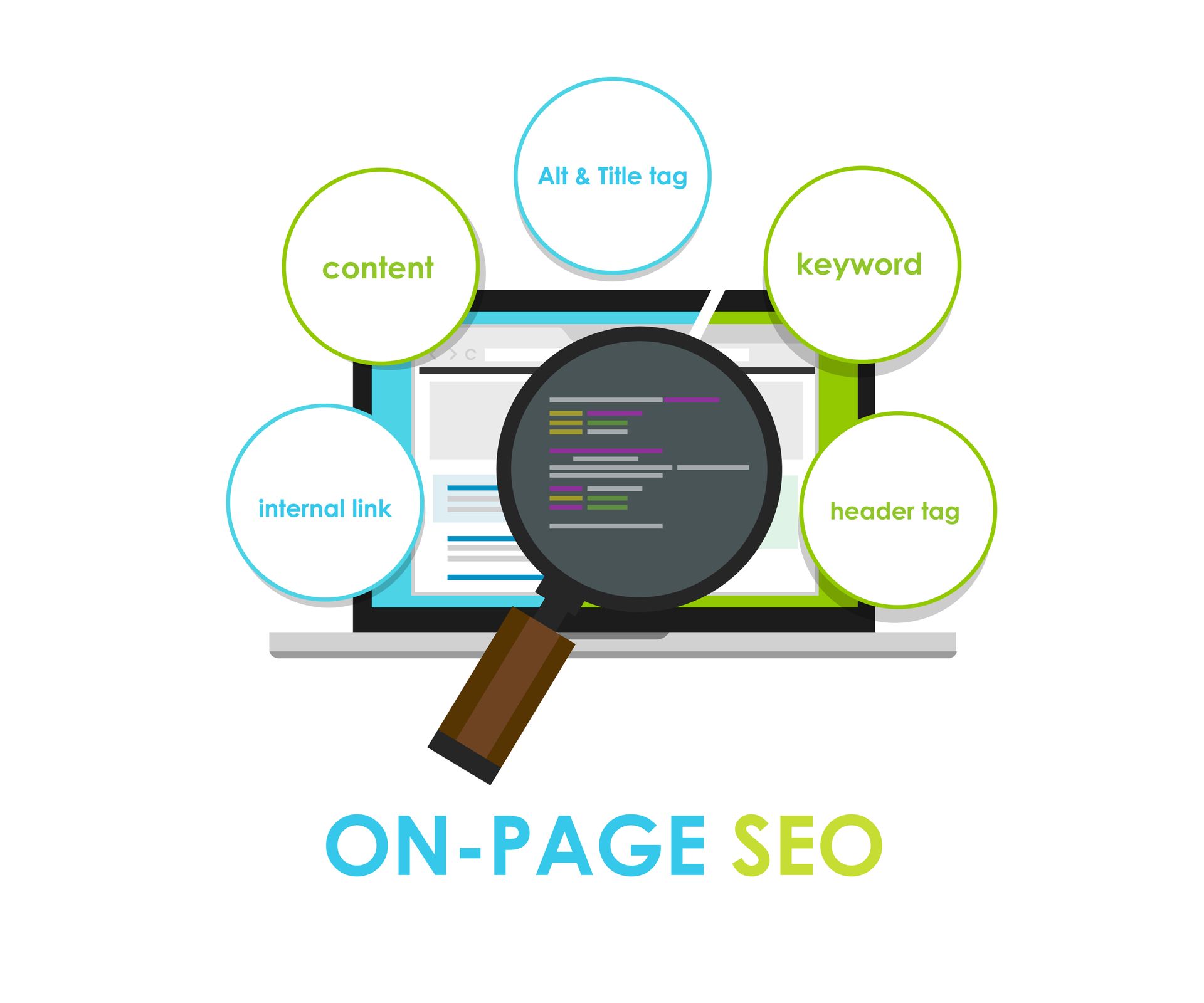
These are all valid SEO tasks. The problem is not the tactics themselves. The problem is when tactics are done without a clear reason behind them. A tactic should never exist just because someone saw it in a LinkedIn post, a checklist, or an “SEO hacks” video. It should support a larger plan.
It is also important to understand that doing one or two SEO tactics in isolation usually will not create the results your business is looking for. Writing a few blog posts, updating a handful of meta titles, or adding schema to a page can help, but those actions are only small pieces of a larger SEO system.
The Problem With Chasing SEO Hacks
The biggest issue with SEO hacks is that they often focus on what is easy to do rather than what is most important. A business might hear that blogs are good for SEO, so they start publishing blog posts every month. But if their main service pages are thin, poorly structured, or missing entirely, those blogs may not help them generate leads.
Another business might spend time rewriting meta descriptions across the whole website, even though their bigger issue is that Google cannot easily understand their site structure. Another might chase high-volume keywords that look impressive in a report but do not match what their actual customers are searching for.
This is how SEO turns into busywork. You can be doing a lot of SEO tasks and still not be building meaningful growth. Activity is not the same as progress.
A Simple Example
Imagine a local home service business wants more leads from Google. A tactical approach might be:
“Let’s write four blog posts this month.”
That sounds productive, but it may not be the right first move.
A strategic approach would start by asking what the business actually needs. Does the website have strong service pages? Are the main services clearly explained? Are there location pages for the areas they serve? Is the Google Business Profile optimized? Are reviews being generated consistently? Are calls and form submissions being tracked properly? Are the most valuable pages internally linked?
In that case, the better SEO plan might be to improve the main service page, build location-specific pages, add FAQs based on real customer questions, strengthen internal links, update the Google Business Profile, and then create blog content that supports those core pages. The blog posts may still be part of the plan, but they are no longer random. They now have a purpose.
That is the difference between SEO tactics and SEO strategy.
Strategy Helps You Prioritize
One of the biggest benefits of an SEO strategy is that it helps you decide what not to do. This matters because most SMBs do not have unlimited time, budget, or resources. They cannot do everything at once. The right strategy helps identify which actions are most likely to move the business forward.
For one business, the biggest opportunity may be building out service pages. For another, it may be fixing technical crawl issues. It may be improving local SEO and Google Business Profile visibility. For an e-commerce business, it may be optimizing collection pages, improving product descriptions, and strengthening internal links. For a multi-location business, it may be creating a scalable location page structure and cleaning up inconsistent local listings.
The tactics change depending on the strategy. That is why good SEO should not look exactly the same for every business and exactly why hacks don’t cut it.
Why This Matters Today
SEO is in its biggest change in the last 20 years, it is no longer as simple as adding keywords to a page and waiting for traffic. Search results are more competitive. Google is better at evaluating helpful content. AI search tools are changing how users discover brands. Local search results are influenced by proximity, relevance, prominence, reviews, website quality, and the consistency of business information.
This means SMBs need more than disconnected SEO tasks. They need a plan that connects content, technical SEO, local SEO, conversion tracking, paid media insights, website structure, and user experience.
That is why an integrated digital marketing approach matters.
SEO does not exist in a vacuum. Your website, Google Business Profile, paid ads, content, analytics, landing pages, and brand presence all influence how effectively your business attracts and converts customers online.
At CCC, we view SEO as part of the holistic digital marketing picture. The goal is not just to rank for more keywords. The goal is to help the right people find the business, trust the business, and take action.
How to Tell If You Have a Good SEO Strategy
A good way to evaluate your SEO is to ask a few direct questions.
- Do we know which pages are most important for business growth?
- Do we know which keywords actually connect to leads, sales, bookings, or inquiries?
- Are our blog topics supporting our core services or products?
- Are technical fixes tied to a larger website performance goal?
- Are we measuring conversions, not just traffic?
- Do we know why each SEO task is being done?
- Are our website, Google Business Profile, content, and analytics working together?
If the answer to most of these questions is no, you may be putting your focus in the wrong areas. This does not mean the individual SEO tasks are wrong. It means they may not be connected to a clear direction. A business can publish content, update pages, fix technical issues, and optimize Google Business Profile, but if those actions are not working toward the same goal, the results can feel inconsistent or hard to measure.
A good SEO strategy should bring clarity. It should help you understand what matters most, what should be prioritized next, and why each action is worth doing. When the strategy is clear, SEO becomes less about checking off random tasks and more about building a system that supports long-term visibility, qualified traffic, and real business growth.
Build an SEO Strategy That Connects to Growth
SEO strategy and SEO tactics are not opposites. You need both. The strategy decides the direction. The tactics move you forward. The issue is when businesses get distracted by shortcuts and lose sight of the bigger picture. There will always be new SEO hacks, tools, trends, and quick-win ideas. Some will be worth testing. Many will disappear.
But long-term SEO growth still comes from understanding the business, knowing the audience, building the right website structure, creating useful content, improving visibility, measuring results, and consistently executing the right work. In my opinion, strong SEO is not about doing more random tasks. It is about doing the right work in the right order for the right reasons. That is what separates an SEO checklist from an SEO strategy.
If your business has been doing SEO but you are not sure whether the work is connected to a bigger plan, it may be time to take a more strategic look. As an integrated digital marketing agency, Conscious Commerce can help you understand where your SEO stands, what opportunities matter most, and which tactics should come next.
Book an
SEO consultation with CCC to build a strategy that supports long-term visibility, traffic, and business growth.
More Integrated Marketing Insights from CCC