What SEO Services Actually Include (and What Most Agencies Don’t Tell You)
If you’ve ever looked into SEO services, you’ve probably noticed how vague the explanations can be.
One agency says SEO is about “optimizing keywords.”
Another promises rankings.
Another sends reports full of charts, but no clear takeaway.
So what does SEO actually include? And why do results vary so wildly between agencies?
Let’s strip away the buzzwords and walk through what legitimate SEO work looks like in practice, along with a few things most agencies don’t say out loud.
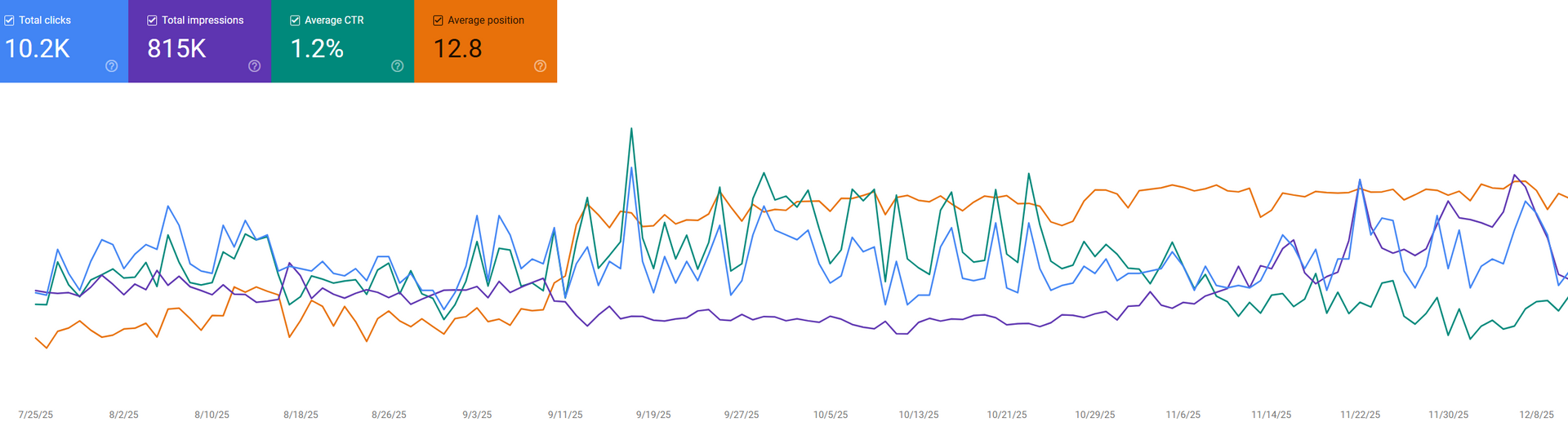
SEO Isn’t Just One Thing
This is where the confusion usually begins. SEO isn’t a single task you can “check off.” It’s a system of ongoing work that touches your website, your content, and how search engines interpret your business.
When SEO underperforms, it’s usually because one or more of these areas is missing or being oversimplified.
Here’s what it includes:
1. Research & Strategy
This is the part most clients will never see, it’s all the behind-the-scenes legwork. Before anything gets optimized, real SEO starts with understanding:
- How people actually search for your services
- Which keywords drive qualified traffic (not just volume)
- Where competitors are winning, and why
- What’s holding your site back technically or structurally
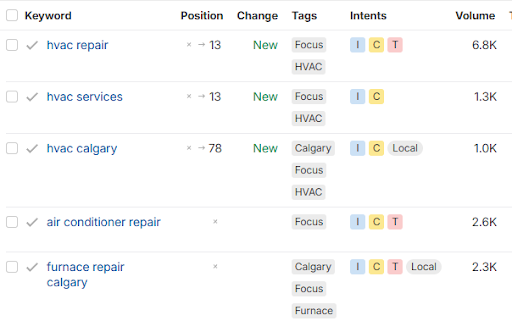
This is where keyword research, competitor analysis, and site audits come in. Many agencies skip this step or keep it shallow. The result? Tactics without direction. Good SEO work always starts with a clear strategy.
2. Technical SEO
The foundation most websites are missing… Your website can look great and still struggle in search. Technical SEO focuses on how search engines crawl, understand, and index your site. That includes things like:
- Page speed and performance
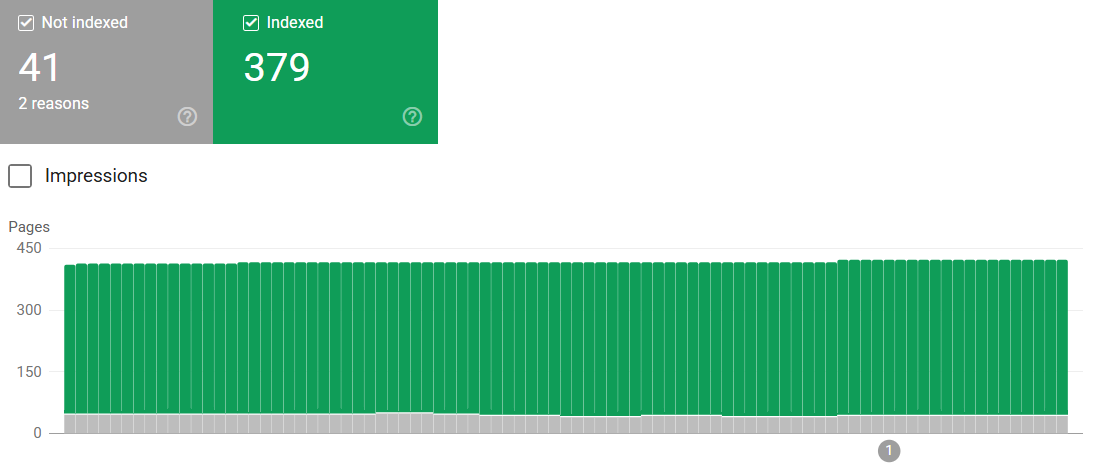
- Indexing issues and crawl errors
- Mobile usability
- Site structure and internal linking
- Schema and structured data
- Duplicate content and canonical issues
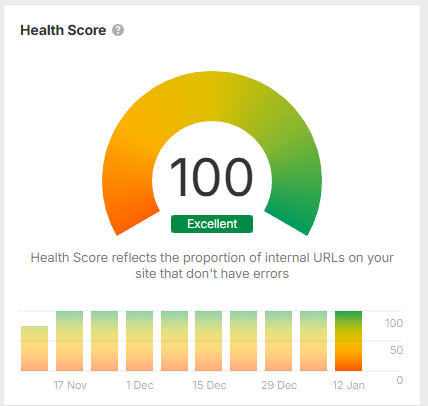
These problems don’t always show up visually, but they can quietly suppress rankings. This is one of the most common gaps we see when businesses switch agencies.
3. On-Page Optimizations
More than just keywords, on-page is where most people think SEO begins and ends, but it’s more nuanced than swapping in keywords.
It includes:
- Clear, well-structured page headings
- Intent-focused content (informational vs. commercial vs. local)
- Strong internal linking between related pages
- Titles and descriptions that earn clicks, not just rankings
- Optimized images and supporting content
When on-page SEO is done properly, pages feel natural to read and easy for search engines to understand. When it’s rushed, it feels forced. Users notice. Google does too.
4. Content That Serves a Purpose
Content is where SEO either compounds OR stalls. Effective SEO content isn’t about publishing blogs for the sake of publishing.
It’s about:
- Answering real customer questions
- Supporting service pages with topical authority
- Targeting search intent at different stages of the buying journey
- Updating and improving existing content (often overlooked)
Not every piece of content needs to convert immediately, but it should support the conversion somewhere along the path. Random blog posts with no strategy rarely move the needle.
5. Link Building
This is the most misunderstood part of SEO. Backlinks still matter… however, not all links help.
Quality SEO includes:
- Earning links from relevant, real websites
- Avoiding spammy directories and automated link packages
- Monitoring toxic links that can hurt performance
- Supporting authority growth gradually and naturally
This is also where shortcuts cause long-term damage. If an agency is vague about how they build links, or avoids the topic altogether, that’s usually a red flag.
6. Local SEO (If You Serve a Specific Area)
For brick & mortar (or service-based) businesses, local SEO is often the biggest opportunity.
This includes:
- Google Business Profile optimization
- Consistent citations and listings
- Local keyword targeting
- Review strategy and visibility in map results
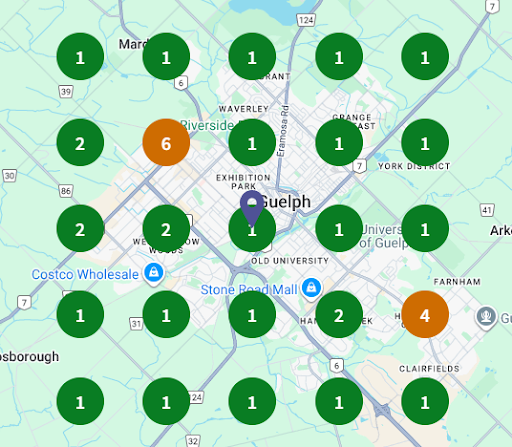
Local SEO isn’t a “bonus”, it’s a core part of organic visibility for many businesses. When it’s treated as an afterthought, leads are left on the table.
7. Measurements That Mean Something
SEO reporting shouldn’t feel like decoding a spreadsheet.
Useful reporting answers simple questions:
- Are we getting more qualified traffic?
- Are rankings improving where it matters?
- Are conversions increasing over time?
- What’s working and what needs adjusting?
Good agencies adjust strategy based on performance. Bad ones just send reports.
What Most Agencies Don’t Tell You
SEO Takes Time
Meaningful SEO growth usually shows over months, not weeks. Anyone promising instant results is oversimplifying, or selling something else.
Rankings Alone Don’t Pay the Bills
Traffic quality matters more than keyword position. Visibility without conversions isn’t success.
Technical Issues Are Often the Real Bottleneck
Many underperforming sites don’t need more content, they need structural fixes first.
Not Every SEO Tactic Fits Every Business
SEO should be tailored to your market, competition, and goals, rather than being delivered as a template.
Why Transparency Matters
SEO works best when clients understand what’s happening, even at a high level.
When expectations are clear, timelines make sense, and strategy is explained, SEO becomes a partnership instead of a mystery service. That’s when results compound.
SEO Isn’t Magic
Let me say it again… SEO isn’t magic. It’s disciplined, ongoing work that rewards clarity, consistency, and strategy.
If you’ve ever felt unsure about what you’re paying for, or why progress feels slow, chances are one of these core components is missing.
Understanding what SEO actually includes puts you in a better position to evaluate any agency, any proposal, and any promise.
If you are interested in
SEO services, we would love to chat with you! Feel free to book a free
20-minute strategy consult.
More Integrated Marketing Insights from CCC