
Anonymous Google Reviews Have Arrived: What Your Business Needs to Do Now
Google has quietly rolled out one of its most impactful updates to the review ecosystem in recent years: users can now leave reviews under a custom display name rather than their real Google Account name. This global change, introduced in November 2025, significantly lowers the barrier for customers who want to provide feedback without revealing their personal identity online.
For many businesses, this update is a welcome opportunity. For others, it raises important questions about credibility, spam, moderation, and user behaviour. As a leading local SEO provider, we’re breaking down what changed, what it means for your Google Business Profile, and how your business should respond.
What Google Actually Changed
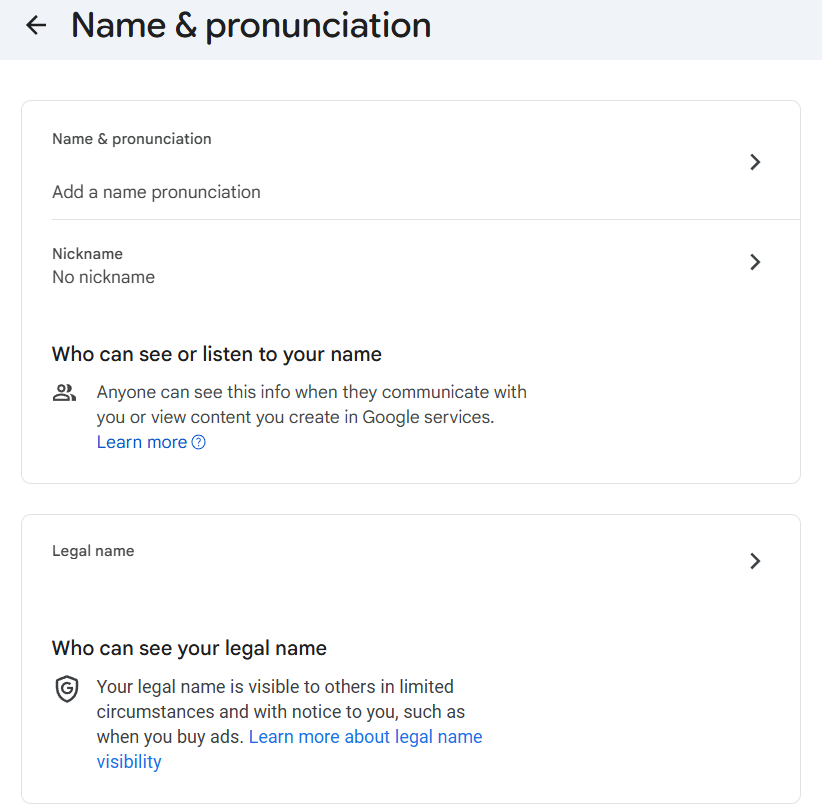
Google now allows users to create a custom display name and profile image that will appear on all contributions made in Google Maps and Google Search.
Key points:
- Reviewers can now use pseudonyms instead of their real names.
- This new display name applies to all contributions: reviews, photos, videos, and edits.
- Changing the display name updates past and future contributions.
- Users cannot choose anonymity for select reviews; the name applies globally.
In the past, users could create “alias” Google accounts, but this formalizes anonymity without requiring a secondary profile. It’s a meaningful shift in how people interact with local businesses on Google.
Important nuance:
If a user leaves a review under a pseudonym and later changes or deletes their custom display name, their review history updates accordingly, potentially revealing their real identity unintentionally. This vulnerability affects users more than businesses, but it highlights that Google’s anonymity feature is imperfect.
How Anonymity May Affect Reviewer Behaviour
There’s extensive research on how anonymity shapes online interactions. The Online Disinhibition Effect suggests that people feel more comfortable expressing stronger or more critical opinions when their identity is hidden.
This doesn’t mean businesses should expect waves of negative reviews, but it does mean:
- Some reviewers may feel freer to call out issues.
- Feedback may be more candid.
- Emotion-driven reviews may become more common.
For most businesses, increased honesty can be a good thing, especially for companies committed to excellent service!
Will This Lead to More Fake Reviews?
Unlikely.
Concerns about increased review spam are understandable, but Google has always allowed pseudonyms in practice. Bad actors are already using fake or throwaway accounts. This new feature doesn’t change how Google fights spam:
- Every review remains tied to a Google Account.
- Google’s internal systems still analyze behavioural patterns and content signals.
- Businesses can still flag reviews for violations of Google’s policies.
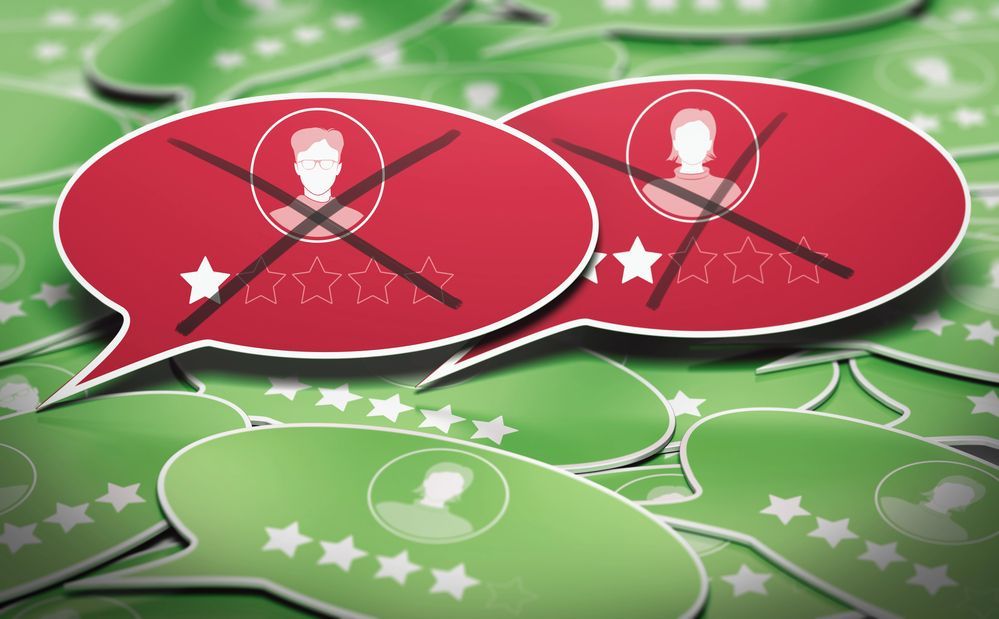
Simply not recognizing a reviewer’s name is not grounds for removal, and that has always been true.
Google’s policies allow reviews from anyone with a legitimate experience, even brief ones such as calling a business, walking in during posted hours, or speaking with staff.
Why This Update Matters Especially for Privacy-Sensitive Industries
For certain industries, review collection has always been complicated because customers are hesitant to post publicly under their real names. This is particularly true in fields involving confidentiality or personal vulnerability:
- Medical, dental, and healthcare services
- Mental health and counselling
- Addiction recovery and trauma therapy
- Legal services
- Financial services
- Senior care and assisted living
- Any business where discretion is valued
Anonymous reviews make it easier for these customers to share genuine feedback without compromising their privacy.
This update has the potential to:
- Increase review volume
- Improve review recency
- Strengthen GBP authority
- Boost conversions by adding more social proof
Since review count and recency continue to be top-ranking factors in local search, businesses that adapt quickly will benefit the most.
How Your Business Can Leverage Anonymous Reviews
1. Update Your Review Request Language
If your business serves customers who may be uncomfortable using their full name publicly, this is a perfect moment to tweak your review outreach process.
Add a line like:
Prefer not to show your full name online? Google now allows you to update your display name before leaving a review.
You can also link to Google’s instructions:
https://support.google.com/maps/answer/15294714
This small reassurance can dramatically improve your response rate.
2. Back Up Your Reviews
Google occasionally removes legitimate reviews by mistake. Now, with users able to change their display names anytime, it’s even more important to maintain your own review archive.
Why this matters:
- A reviewer may change their display name, but your past responses may still include their original name.
- If Google alters, reverses, or retires this feature, review identities could shift again.
- Errors happen; having your own record helps you contest removals.
Make review exporting part of your regular local SEO process. Storing text, review IDs, ratings, submission dates, and reviewer profiles protects your business from unexpected changes.
Is This Feature Likely to Stick?
Google has walked back several community features recently, including removing the “follow” option for Maps users in September 2025.
This raises important questions:
- If custom display names are removed, do all reviews revert to real names?
- Will Google revert to generic labels like “A Google User”?
- How will anonymity affect Google’s Local Guides program and its attempts to build trust?
Right now, these answers are unclear, but businesses should prepare for future adjustments. Google routinely tests social features and sometimes abandons them.
Is Google Solving the Wrong Problem?
Allowing pseudonyms appears to be part of Google’s response to declining trust in written reviews. Younger users increasingly turn to TikTok, Instagram, and YouTube for more authentic first-person recommendations.
However:
- Pseudonyms reduce visible credibility.
- Anonymous text reviews can feel less trustworthy.
- Google risks drifting further away from the “real people, real stories” appeal dominating social platforms.
Google may be solving a privacy concern while unintentionally weakening perceived trust in its review ecosystem.
The Bottom Line: What This Means for Businesses
Anonymous reviews represent a meaningful opportunity for businesses that take action:
- More customers will feel comfortable leaving feedback.
- Industries with confidentiality concerns will see the biggest lift.
- Review rates may increase across all categories.
- Spam levels should remain largely unchanged.
- Review candour may increase, for better or worse.
This update is a net positive for businesses that deliver good service and maintain proactive review strategies.
If your business embraces this change, educates customers, and updates your review acquisition process, you can build stronger social proof, improve local rankings, and stand out in an increasingly competitive search landscape.
If you’d like CCC to manage your Local SEO, Google Business Profile optimization, or review strategy, our team is
here to help.
More Integrated Marketing Insights from CCC